Choosing the Best Jewellery and Carburetor Cleaner in NZ
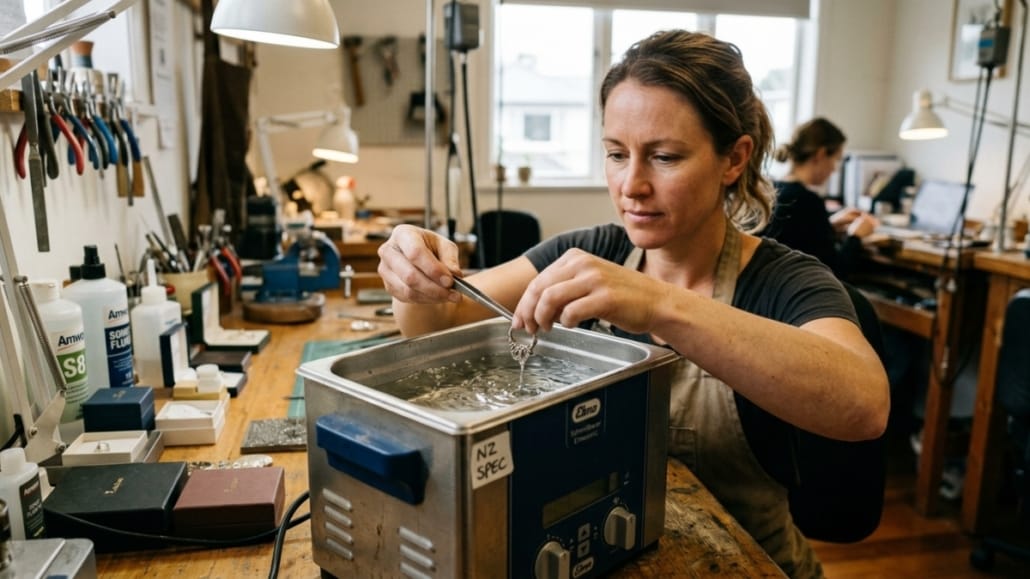
In an Auckland jewellery workshop, a goldsmith carefully places a tarnished silver ring into an ultrasonic cleaner. Across town, a motorcycle repair shop uses a similar device to clean carburetor parts caked in grease and carbon deposits. These scenarios highlight the versatility of ultrasonic cleaning technology, which has become indispensable for jewellers and mechanics alike.
Whether you’re restoring the sparkle of fine jewellery or ensuring carburetors perform at their best, choosing the right ultrasonic cleaner is crucial. With over 75 years of German engineering expertise and local support from Techspan NZ since 1979, Elma Ultrasonics offers solutions tailored to New Zealand’s unique needs.
Why Ultrasonic Cleaning Works for Jewellery and Carburetors
Ultrasonic cleaners use high-frequency sound waves (20–120 kHz) to create microscopic bubbles in a cleaning solution. This process, known as cavitation, removes dirt, grease, and other contaminants from surfaces, even in hard-to-reach areas. For jewellers, this means restoring the shine of intricate designs. For mechanics, it ensures carburetor parts are free of carbon deposits and grease.
Elma’s ultrasonic cleaners are trusted across New Zealand for their precision and reliability. Whether you’re cleaning a diamond ring or a carburetor jet, the right combination of frequency, tank size, and cleaning solution makes all the difference.
Choosing the Right Ultrasonic Cleaner
For Jewellery Cleaning
Jewellers often work with delicate materials like gold, silver, and gemstones. For these applications, the Elmasonic EASY 60H is a popular choice. With a 5.75-litre tank, 37 kHz frequency, and heating capability (30–80°C), it’s perfect for cleaning rings, necklaces, and earrings. For softer stones like opals or turquoise, the Elmasonic P series offers an 80 kHz setting for gentler cleaning.
Pair your cleaner with Super Clean, a mild cleaning concentrate designed for jewellery. Use a 3–10% solution in water and clean for 5–10 minutes. Always rinse and dry thoroughly after cleaning.
For Carburetor Cleaning
Carburetors require a more robust cleaning approach to remove grease, oil, and carbon deposits. The Elmasonic X-tra 120, with a 14.2-litre tank and 25 kHz frequency, is ideal for heavy-duty applications. Its stainless steel construction and high ultrasonic power ensure thorough cleaning of even the most stubborn contaminants.
For cleaning solutions, Tec Clean A4 is a reliable choice. Dilute it according to the level of contamination (1:60 for light cleaning, 1:10 for heavy cleaning) and heat the solution to 60–70°C for optimal results.
Key Features to Look For
- Frequency: 37 kHz for general cleaning, 80 kHz for delicate items, and 25 kHz for heavy-duty tasks.
- Tank Size: Choose a tank 20% larger than your largest item to ensure proper cavitation.
- Heating: Models with heating (30–80°C) improve cleaning efficiency by loosening stubborn contaminants.
- Build Quality: Stainless steel tanks resist corrosion and ensure durability.
FAQs
Can I use the same ultrasonic cleaner for jewellery and carburetors?
While it’s technically possible, it’s not recommended. Jewellery and carburetors require different cleaning solutions and frequencies. Using separate cleaners ensures optimal results and avoids cross-contamination.
What’s the best cleaning solution for jewellery?
For jewellery, we recommend Super Clean. It’s a mild, ammonia-based solution that brightens gold, silver, and hard stones without damaging them.
How often should I change the cleaning solution?
Replace the solution every 1–2 weeks or sooner if it becomes visibly dirty. For carburetors, frequent changes may be necessary due to heavy contamination.
Can I clean soft stones like opals in an ultrasonic cleaner?
Yes, but only with a model like the Elmasonic P series that offers an 80 kHz frequency. Always test a small area first and consult the stone’s care guidelines.
What’s the advantage of heated ultrasonic cleaners?
Heating improves cleaning efficiency by loosening grease, oil, and other contaminants. Most Elma models allow you to set temperatures between 30–80°C, ideal for both jewellery and carburetors.
Frequently asked questions
Can I use the same ultrasonic cleaner for jewellery and carburetors?
What’s the best cleaning solution for jewellery?
How often should I change the cleaning solution?
Can I clean soft stones like opals in an ultrasonic cleaner?
What’s the advantage of heated ultrasonic cleaners?

For nearly 38 years, Tim Fastnedge has been a driving force behind Techspan’s expertise in ultrasonic cleaning equipment. His knowledge of ultrasonic cleaners is extensive, allowing him to recommend the most effective cleaning solution for any application.
Tim’s dedication extends beyond sales; he’s passionate about empowering customers with the right tools to achieve optimal cleaning results. So when it comes to Elma Ultrasonics New Zealand’s range of high-quality equipment, look no further than Tim’s expertise at Techspan.